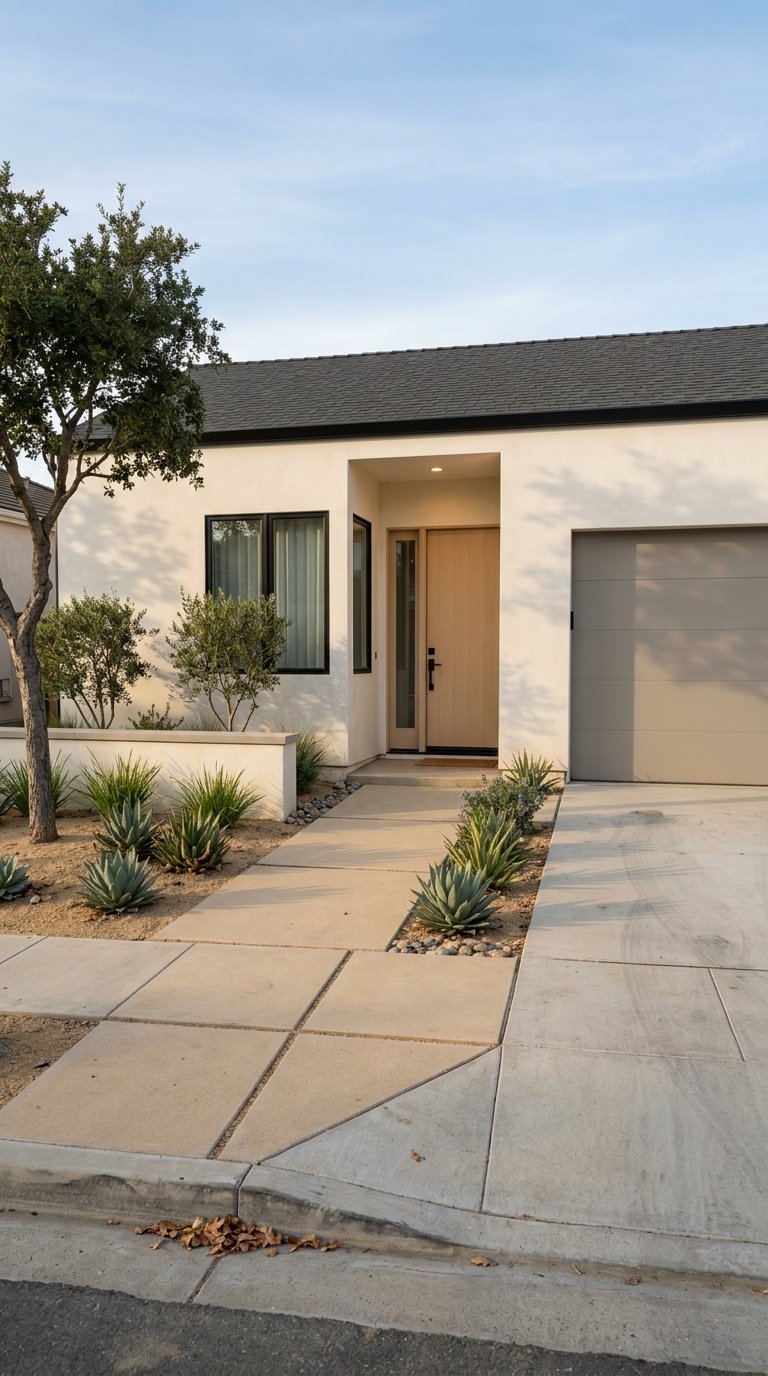
If you are thinking about a move to Woodland Hills, you are probably wondering whether it feels more suburban, more city-like, or a little bit of both. That is a smart question, especially in a part of Los Angeles where daily life can change a lot from one area to the next. The good news is that Woodland Hills offers a mix of residential streets, major shopping and dining corridors, and easy access to outdoor space. Let’s dive in.
Woodland Hills at a Glance
Woodland Hills sits in the southwest San Fernando Valley and has a character that is shaped by both housing and commercial activity. City planning documents describe it as a largely residential area with a variety of predominantly single-family homes, along with important hubs like Pierce College and Warner Center.
In everyday terms, that means you can find quieter neighborhood streets while still being close to busier retail and office areas. It does not feel like one uniform environment. Instead, Woodland Hills tends to alternate between calm residential pockets and more active commercial corridors.
The Overall Feel of Woodland Hills
One of the clearest things about living in Woodland Hills is that the neighborhood has range. Some areas feel established and residential, while others feel more active because of nearby shopping, dining, and mixed-use development.
Warner Center is the main higher-intensity area. Official planning describes it as a major center for commerce, civic life, and cultural activity, with development intended to support both daytime and nighttime activity while also helping protect nearby neighborhoods from through traffic.
That balance is part of what defines Woodland Hills. You can enjoy access to errands, restaurants, and entertainment without living in a setting that feels dense everywhere.
Housing in Woodland Hills
Woodland Hills is not a one-style housing market. City planning documents describe the area as predominantly single-family, while also preserving multi-family clusters and encouraging mixed-use development in and around Warner Center.
For you, that means the housing mix can include single-family homes, condos, townhomes, and residences closer to commercial centers. The intensity generally decreases as you move away from the Warner Center core, so different parts of Woodland Hills can offer different day-to-day experiences.
If you want a more residential setting, there are areas that fit that goal. If you prefer being closer to shopping and dining, there are also parts of Woodland Hills where that convenience is easier to find.
Shopping and Dining Are Big Parts of Life Here
For many residents, Ventura Boulevard is central to everyday living. City planning identifies Woodland Hills as the commercial hub of the West Valley, with pedestrian-oriented community centers along Ventura Boulevard and more auto-oriented development on major thoroughfares.
That matters because it shapes how errands and dining feel in real life. Ventura Boulevard is where many people go for routine stops, meals out, and local services, and parts of the corridor are intended to support a more walkable neighborhood feel.
The City has also worked on streetscape improvements through the Reimagine Ventura project. LADOT described that effort as a way to make part of the corridor more walkable and more neighborhood-scaled.
Westfield Topanga Adds Convenience and Entertainment
Another major part of Woodland Hills living is access to Westfield Topanga. According to official Westfield directories, the center includes 169 shops, 40 restaurants, and entertainment options such as AMC Theatres, Fun Factory, Red Door Escape Room, and The Loop.
Topanga Social also adds to the dining and entertainment mix. If you like having a wide range of retail and food options nearby, this is one of the area’s biggest lifestyle advantages.
For many buyers, that kind of convenience can make a real difference. It means your errands, casual outings, and weekend plans may be easier to keep close to home.
Outdoor Access Near Woodland Hills
Woodland Hills also gives you access to local recreation and larger open-space destinations. Within the neighborhood, the City lists Serrania Park and the Woodland Hills Recreation Center as local recreation assets.
If you want more expansive trail and open-space access, there are larger options nearby. The Mountains Recreation and Conservation Authority identifies Upper Las Virgenes Canyon Open Space Preserve, with trail access from West Hills and Calabasas, as a major outdoor resource in the area.
California State Parks also lists Malibu Creek State Park as a nearby option for hiking, camping, bird watching, swimming, and horseback riding. So while Woodland Hills is part of Los Angeles, outdoor time can still be a regular part of your routine.
Getting Around Woodland Hills
Transportation in Woodland Hills is a mix of transit access and car-oriented living. Metro’s current schedules include Line 162, which runs between Woodland Hills and North Hollywood via Fallbrook Avenue, Sherman Way, and Vineland Avenue.
At the same time, city planning documents describe auto-oriented development on major thoroughfares. In practical terms, that means you may have public transit options available, but much of the area still functions in a way that feels built around driving.
That can be an important factor if you are comparing Woodland Hills to neighborhoods with denser transit networks. Your day-to-day experience may depend a lot on where you live relative to work, schools, shopping, and freeway access.
What the Climate Feels Like
Climate plays a big role in what it is like to live in Woodland Hills. NOAA data from the Woodland Hills Pierce College station shows a 1991 to 2020 annual mean temperature of 66.3 degrees, with annual precipitation of 16.41 inches.
Summer is especially important to understand before you move. NOAA lists average highs of 95.1 degrees in July and 97.4 degrees in August, with no normal snowfall.
In simple terms, Woodland Hills has hot inland Valley summers, mild winters, and a dry climate. If you are moving from a coastal part of Los Angeles, the warmer summer temperatures will likely stand out right away.
Who Tends to Like Woodland Hills
Woodland Hills can be a strong fit if you want a neighborhood that blends residential living with access to shopping, dining, and recreation. It may also appeal to you if you like having different types of housing and lifestyle pockets within the same broader area.
You may especially appreciate Woodland Hills if your priorities include:
- Predominantly residential surroundings
- Access to major retail and dining options
- Nearby local parks and larger trail systems
- A mix of single-family homes, condos, townhomes, and mixed-use areas
- A West Valley location with both neighborhood streets and commercial convenience
The climate is worth weighing carefully, though. If you prefer cooler coastal weather, Woodland Hills may feel much warmer in summer than other parts of Los Angeles County.
What to Consider Before Moving
Like any neighborhood, Woodland Hills is not one-size-fits-all. Your experience can vary based on how close you are to Ventura Boulevard, Warner Center, local parks, and the roads you use most often.
It helps to think through your priorities before choosing a specific area. A few useful questions to ask yourself include:
- Do you want a quieter residential setting or easier access to major shopping and dining?
- How important is nearby outdoor recreation to your weekly routine?
- Are you comfortable with a lifestyle that still feels fairly car-oriented?
- How do you feel about hot summer temperatures?
Those answers can help you narrow down which part of Woodland Hills may suit you best.
If you are exploring Woodland Hills as your next move, working with a local advisor can help you compare housing options, understand the feel of different pockets, and plan your next steps with confidence. For personalized guidance on buying or selling in the area, connect with Cindi Brodack.
FAQs
What is the overall feel of living in Woodland Hills?
- Woodland Hills generally feels like a mix of quiet residential streets and busier commercial areas, with a largely residential character and a more active core around Warner Center.
What types of homes can you find in Woodland Hills?
- Woodland Hills is predominantly single-family, but official planning documents also note multi-family clusters and mixed-use development, especially closer to Warner Center.
What is shopping like in Woodland Hills?
- Shopping is a major part of the local lifestyle, with Ventura Boulevard serving as a key everyday corridor and Westfield Topanga offering 169 shops, 40 restaurants, and entertainment options.
What outdoor activities are near Woodland Hills?
- Local options include Serrania Park and the Woodland Hills Recreation Center, while nearby larger destinations include Upper Las Virgenes Canyon Open Space Preserve and Malibu Creek State Park.
Is Woodland Hills walkable or car-oriented?
- Woodland Hills has some pedestrian-oriented areas, especially along parts of Ventura Boulevard, but overall it still tends to feel car-oriented on major thoroughfares.
What is the weather like in Woodland Hills?
- Woodland Hills has a dry climate with mild winters and hot summers, with NOAA reporting average highs of 95.1 degrees in July and 97.4 degrees in August.