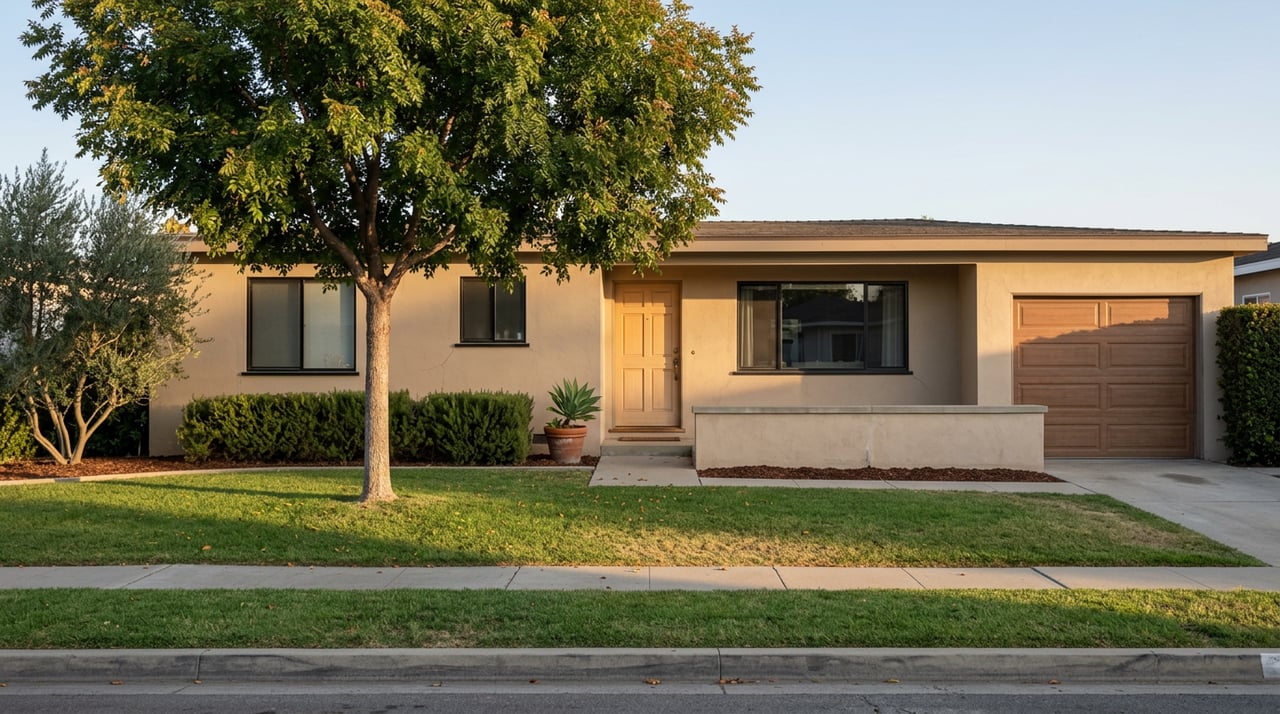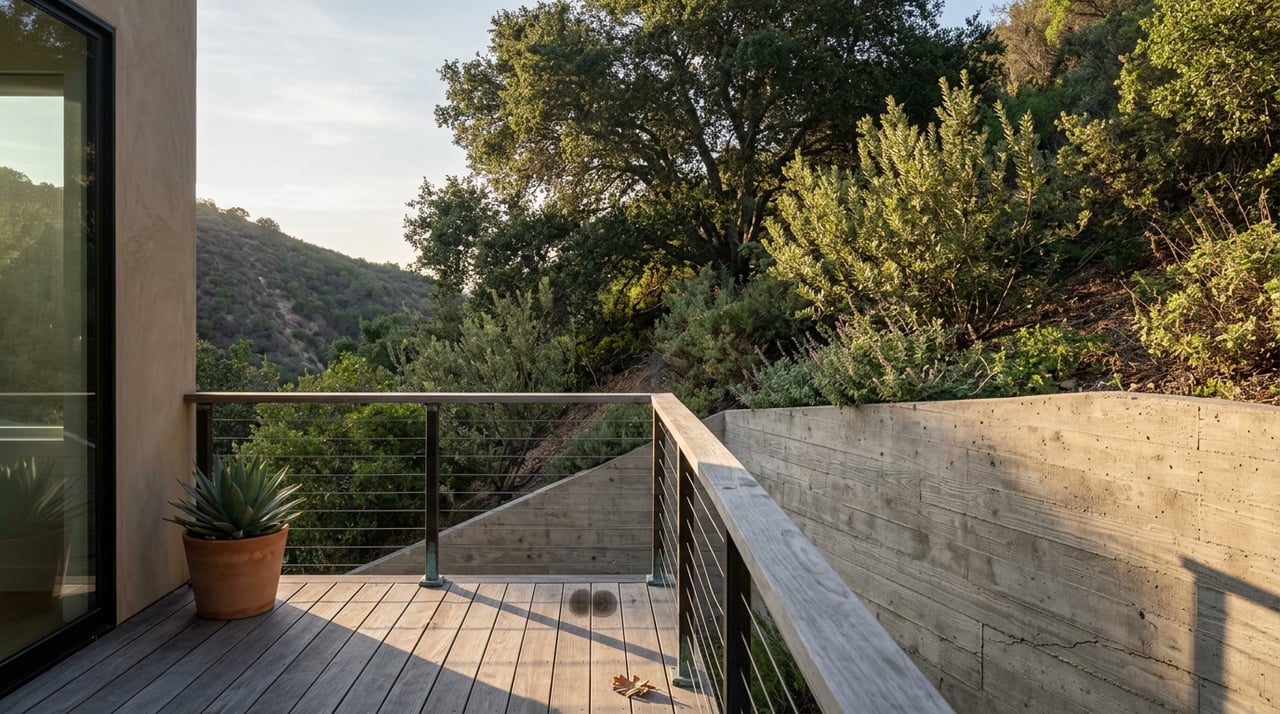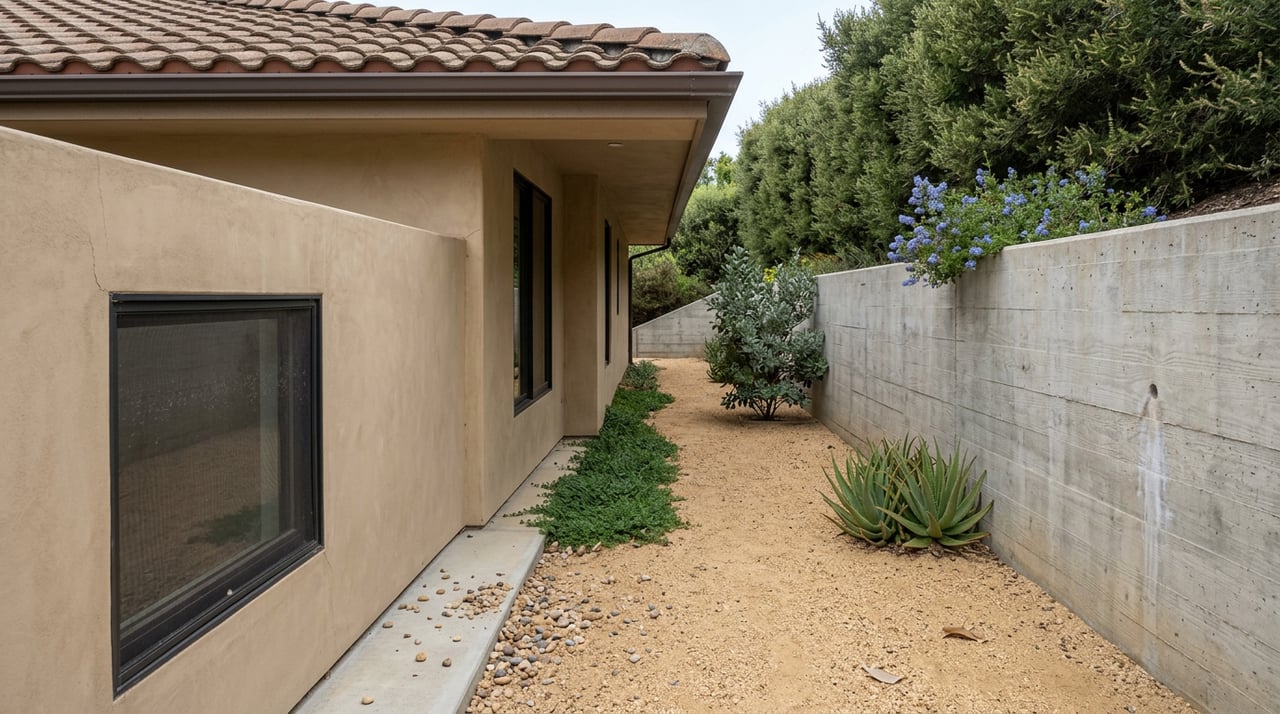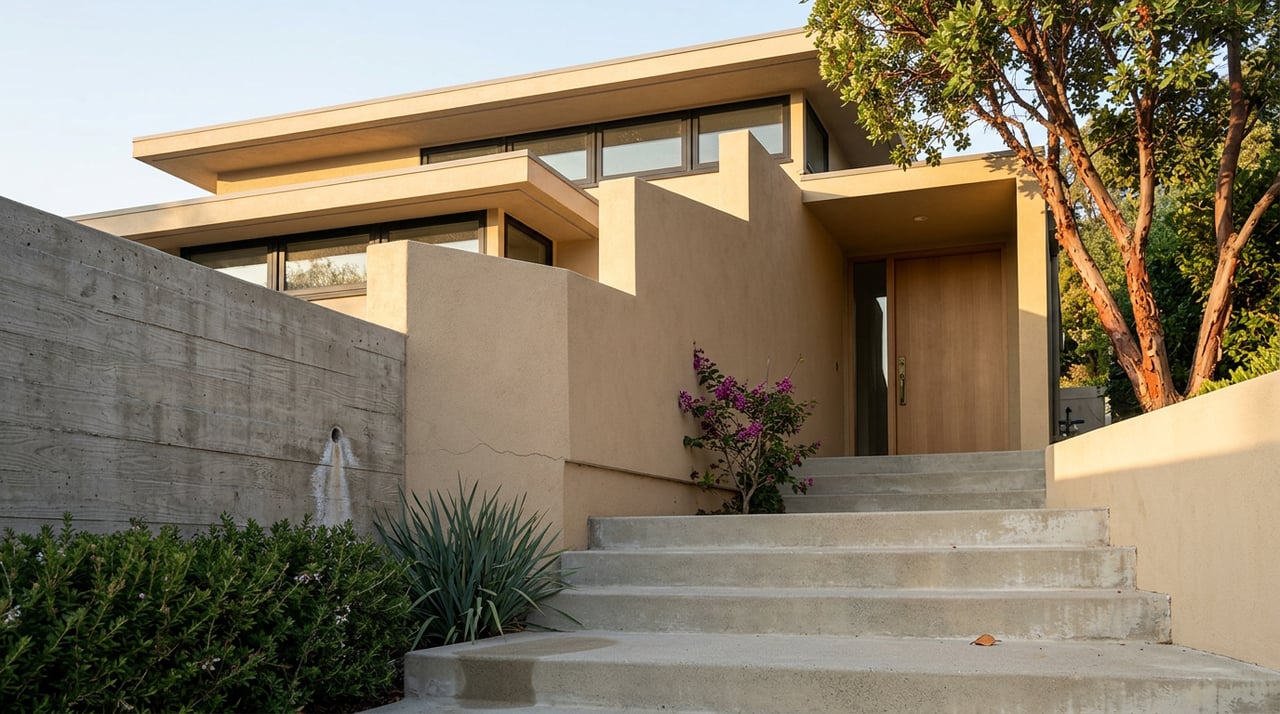
Two three-bedroom homes, half a mile apart, both remodeled in the last five years. One lists at $1.3 million. The other lists near $2 million. The gap isn't finishes, and it isn't square footage. It's which side of Ventura Boulevard the lot sits on, and what the City of Los Angeles will legally let you build there.
That distinction matters more than most Sherman Oaks buyers realize when they start comparing listings against a single "median home price" pulled from a portal. The median is real. It's also blending two products that behave nothing alike once you own one.
One Median, Two Different Markets
Ask three sources what a Sherman Oaks home costs right now and you'll get three different answers, and not because anyone is wrong. As of the three months ending in May 2026, one widely used tracker put the median sale price at $1.3 million, down slightly from the year before. A separate local market snapshot dated July 30, 2026 put the working median closer to $1.285 million, with homes marketing in about 26 days and roughly 2.4 months of inventory on hand.
Those numbers are close enough to agree on direction, but they're measuring a neighborhood that includes condos near the boulevard, standard-lot single-family homes on the flats, and hillside estates with private canyon access, all averaged into one figure. A buyer comparing that median against a specific listing is comparing an apple to a fruit basket. The more useful question isn't "what's the median," it's "which side of the boulevard is this house actually on."
The Boundary Is Zoned, Not Just Mapped
Ventura Boulevard runs through Sherman Oaks as the obvious commercial spine, lined with the restaurants and retail that give the corridor its identity, anchored by hubs like the Sherman Oaks Galleria and Westfield Fashion Square. But the boulevard also marks a real change in topography and, with it, a real change in what a lot can legally support.
North of Ventura, the terrain is flat. Standard lots from the neighborhood's original 1930s and 1940s subdivisions run around 6,750 square feet, and entry-level single-family pricing generally starts in the $1.1 million to $1.3 million range. What you see on the lot survey is close to what you can build.
South of Ventura, the land rises into the Santa Monica Mountains foothills, with roughly 80 percent of that side sitting on ridgeline or canyon terrain. Entry pricing for hillside single-family homes starts closer to $2 million. Prestige pockets along streets like Longridge and Kester Ridge, and hillside grids off Coldwater Canyon and Beverly Glen, push well past that.
| North of Ventura | South of Ventura | |
|---|---|---|
| Terrain | Flat, grid-pattern streets | Ridgeline and canyon, roughly 80% of the area |
| Typical lot size | About 6,750 sq ft standard | Highly variable, buildable area shrinks with slope |
| Entry-level pricing (2026) | Roughly $1.1M–$1.3M | Roughly $2M and up |
| How floor area is calculated | Standard zoning ratios | Baseline Hillside Ordinance slope-band formula |
| Permit path for a major addition | Weeks to a few months | Often 6 to 12 months, including geotechnical review |
That last row is where the real story lives.
What the Ordinance Actually Limits
Los Angeles doesn't calculate buildable square footage on a hillside lot the way it does on a flat one. Under the city's Baseline Hillside Ordinance, a licensed surveyor maps the property into slope bands, which city planning code defines as the area of a property contained within a defined slope interval, and each band gets its own floor-area ratio. Flatter bands allow more square footage per lot area. Steeper bands allow less. Past a certain grade, the buildable ratio can drop to essentially nothing for that portion of the lot.
The practical effect: a 10,000 square foot upslope parcel can yield as little as 3,000 square feet of functional, buildable yard once the slope-band math runs. The number on the county lot-size record and the number that actually matters for a remodel or an addition are two different things, and the gap grows with the grade.
Then there's the timeline. A flat-lot addition north of Ventura is usually a permit and a contractor. A hillside project south of Ventura typically requires a soils and geotechnical report before anything else, since foundation type, retaining wall design, and drainage all depend on it. Add engineered retaining walls, discretionary planning review, and in some cases public hearings, and permitting for hillside construction in Los Angeles typically runs six to twelve months before a shovel goes in the ground.
None of that shows up in a listing price. It shows up the first time a south-of-Ventura buyer tries to add a bedroom.
Oakfield Drive Shows the Workaround, and Its Limits
Long before the current ordinance existed, one street in Sherman Oaks solved the slope problem a different way. Seventeen homes on Oakfield Drive, known as the Platform Houses, were originally designed by architect Richard Neutra for the Stone-Fisher development company, with architect William S. Beckett finishing the designs after Neutra withdrew from the project. Built between 1962 and 1966, the homes sit on massive cantilevered platforms that jut out over the slope above Beverly Glen Canyon, supported on tall metal posts rather than fill and retaining walls.
Instead of grading the hillside flat and cutting into the buildable-area problem, the original architects engineered around it, trading dirt for steel. One of the homes, at 1,800 square feet, listed for $1.55 million in 2022, and Oakfield Drive has kept trading on the same pitch for roughly sixty years now: architectural history and a canyon view most flat-lot buyers will never get on the north side.
Oakfield Drive is proof that the slope problem is solvable. It's also proof that solving it well is expensive, specialized, and not something every hillside lot gets to do. Most south-of-Ventura buyers aren't building a Neutra. They're trying to add a bathroom, and the ordinance still applies.
How to Use This Before You Write an Offer
If you're comparing a north lot to a south lot on price alone, you're missing the part of the transaction that happens after closing. A few things worth checking before you fall for a view:
Ask whether the parcel is designated within a Hillside Area before you assume any remodel plans are simple. The city's own zoning lookup tools can confirm this for a specific address, and it's worth doing before, not after, you're in contract.
Weigh price per square foot against what the site will actually cost to modify. A lower per-square-foot number on a hillside lot doesn't automatically mean better value if the land needs expensive drainage, structural, or access work to support the home you actually want.
If you're planning any addition, pool, or major renovation on a south-of-Ventura property, build a geotechnical and slope-band review into your due diligence period, not into your first design meeting eighteen months later.
A Couple of Questions Worth Settling Early
Does every home south of Ventura fall under the Baseline Hillside Ordinance? Not automatically. The ordinance applies to parcels the city has specifically designated as Hillside Area, and that designation should be confirmed for the exact address rather than assumed from the general location.
Is north of Ventura always the cheaper choice? Generally, yes at the entry level, though the picture shifts by ZIP. Sherman Oaks spans a few different postal areas, with the core hillside streets carrying the highest concentration of slope-affected lots and the northern edge trading more condos and townhomes that pull blended pricing down.
If you're weighing a hillside view against a flat-lot yard in Sherman Oaks, or trying to figure out what a specific address on Oakfield Drive, Longridge, or the flats north of the boulevard would actually cost to own and modify, that's a conversation worth having with someone who can pull the slope analysis and the comps together before you write an offer. Cindi Brodack works both sides of the boulevard and the paperwork that comes with each. Let's connect.